
Kansas City Faces Historic Heat Wave, Hottest September Opening Since 1947
Kansas City is experiencing a dangerous and historic heat wave, with temperatures on track to be the hottest for the opening nine days of September since 1947. The relentless heat, characterized by high temperatures and heat index values reaching 105…
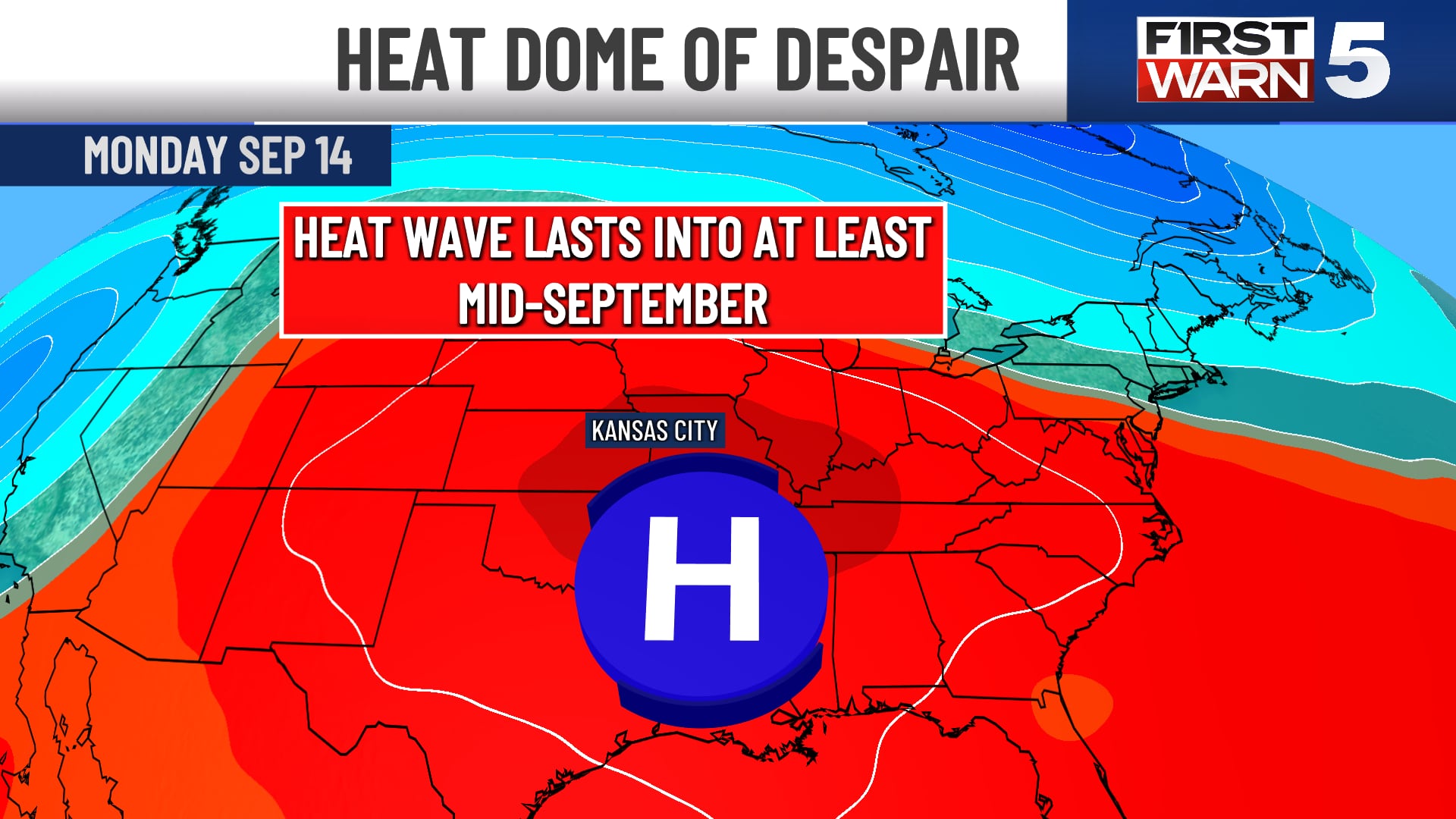
 Kansas City, MO, September 4, 2026 — Kansas City is currently grappling with a significant and historic heat wave, with forecasts indicating the opening nine days of September are on track to be the hottest recorded since 1947. The intense weather pattern is characterized by relentless high temperatures and accompanying heat index values that have reached up to 105 degrees Fahrenheit.
This prolonged period of extreme heat is not expected to abate quickly. Authorities and meteorologists anticipate the heatwave will persist at least until the middle of September. The sustained high temperatures and dry conditions are contributing to a worsening drought situation across the region. This intensification of drought poses considerable risks, impacting local vegetation which may suffer from lack of water, and placing strain on various infrastructure systems not designed for such extreme and prolonged heat.
The severity of this heatwave is highlighted by its historical context, marking a significant deviation from typical September weather patterns observed in the area. Specific details regarding the full extent of infrastructure impact or the specific types of vegetation most affected were not immediately available. The duration and intensity of the heat wave underscore the challenges faced by residents and city services in managing the effects of extreme weather events.
The meteorological conditions driving this heatwave are being closely monitored, with public health advisories typically issued during such events to protect vulnerable populations. The persistence of temperatures well above seasonal averages and the high heat index values present ongoing concerns for public safety and environmental stability. The expected continuation of these conditions through mid-September suggests that the impacts on water resources, agriculture, and daily life in Kansas City will remain a critical issue.
Further information regarding specific temperature peaks, the precise timeline for the heatwave’s end, or detailed assessments of infrastructure and vegetation damage was not provided in the summary. However, the trend clearly indicates a period of significant environmental stress for the Kansas City metropolitan area.
Story summarized from the original created by Luke Dorris on www.kctv5.com, see more information here.
Media gallery

