
Kansas City Sees Spike in Rabid Bat Cases, Prompting Public Health Warnings
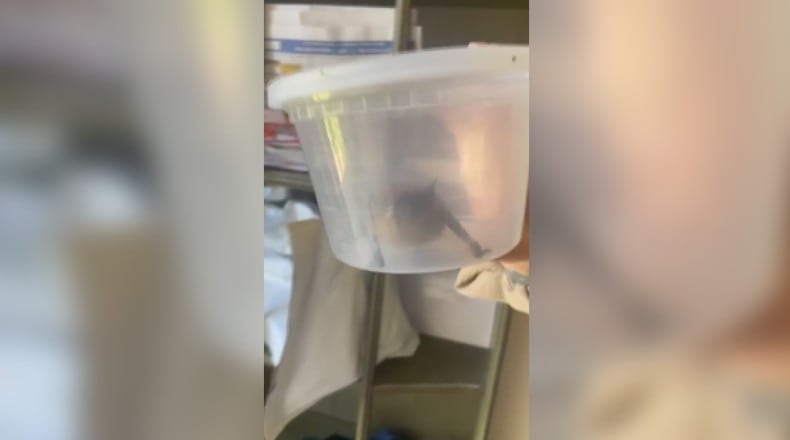
A Kansas City resident discovered a bat inside his home, an incident that coincides with the city reporting a 10-year high in confirmed rabid bat cases, prompting local health officials to issue warnings and safety advice.
 Kansas City, MO, September 24, 2026 —
Local health officials in Kansas City have issued warnings and safety advice following a notable increase in confirmed rabid bat cases, reaching a 10-year high for the city. The alert comes as a Kansas City resident recently discovered a bat inside their home, highlighting the potential for human-wildlife interaction.
While specific details regarding the number of confirmed rabid bat cases or the exact timeline of the 10-year high were not provided, the Kansas City Health Department is emphasizing the importance of public awareness and preventive measures. Bats, though beneficial for controlling insect populations, can carry and transmit the rabies virus, a potentially fatal neurological disease.
Health officials advise residents to avoid direct contact with bats, whether they are found indoors or outdoors. If a bat is found inside a home, especially in a room where a person or pet may have been exposed, it is recommended to capture the bat safely, if possible, without direct handling, and contact local animal control or public health authorities. This is crucial for potential rabies testing. The contractor’s name involved in the resident’s discovery was not provided. The fine amount for any related violations was not provided.
Key recommendations from health authorities include:
- Never touch a bat with bare hands.
- Keep pets vaccinated against rabies.
- Seal entry points in homes to prevent bats from entering.
- If a bat is found in a room with a sleeping person, child, or unattended pet, or if any direct contact is suspected, the bat should be captured for testing if possible.
The increase in reported cases serves as a reminder for residents to remain vigilant and take appropriate precautions to minimize the risk of rabies exposure. Further details on the specific statistics leading to the 10-year high were not immediately available.
Story summarized from the original created by Grace Smith on www.kctv5.com, see more information here.
Media gallery

