Has sleep replaced diet and exercise in wellness?
CPAP reports that sleep is increasingly seen as vital for wellness, often prioritized over diet and exercise, with
Press Release Disclaimer: This is a press release distributed through the XPR Media network. It has not been independently verified by our newsroom.

khunkornStudio // Shutterstock
Has sleep replaced diet and exercise in wellness?
“I’ll sleep when I’m dead” once reflected a culture that praised long hours and treated rest as time that could be sacrificed. But that attitude has become harder to defend as more people connect a poor night of sleep with how they feel and function the next day.
Many now wake up and check how they slept before checking the weather, which shows how deeply rest has entered everyday health routines.
A 2026 global survey of 30,000 people found that 53% ranked sleep above diet and exercise as the most important habit for living a long and healthy life. And that growing attention often begins with daytime tiredness, but it can also lead people to notice signs that point to a more serious sleep problem.
CPAP reports that 80% of people with sleep apnea do not know they have it, while sleep scientist Dr. Daniel Gartenberg says consumer wearables can be used to warn someone of possible breathing problems that require medical testing.
With sleep now treated as seriously as nutrition and exercise, people expect proof of a good night, and technology has spent the past decade learning how to deliver it.
Why Sleep Has Become a Wellness Metric
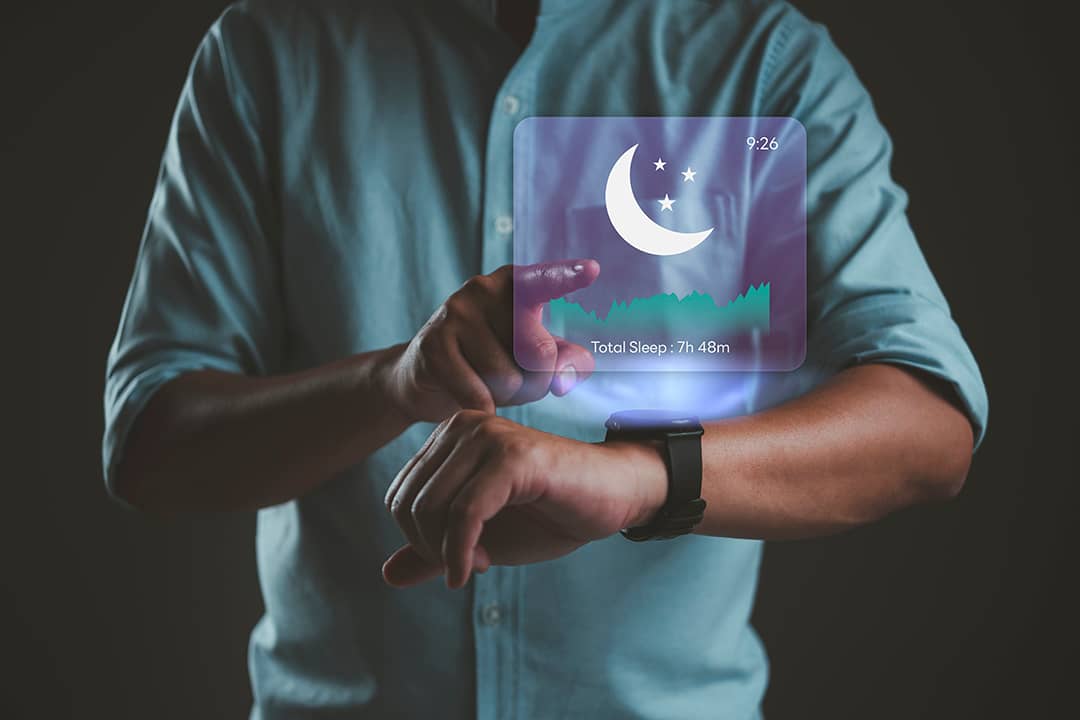
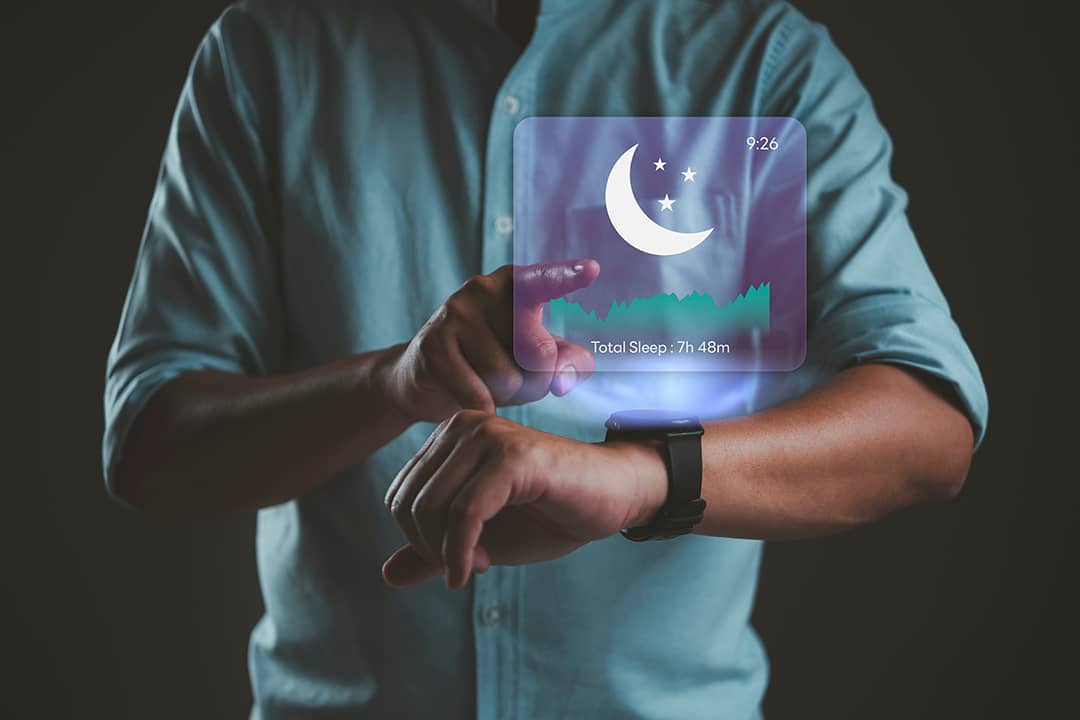
People have tracked calories and steps for years, using daily numbers to compare their habits from one day to the next. But once smartwatches and rings were able to track sleep patterns, sleep joined the same routine people already used to monitor food and exercise. An American Academy of Sleep Medicine survey of 2,007 adults found that 48% had used a sleep tracker, while 55% changed their behavior after reviewing the data.
AASM spokesperson Dr. Shalini Paruthi said the devices help people give sleep length and quality the same attention already paid to nutrition and exercise. With those numbers available each morning, someone may move bedtime earlier or reduce a planned workout after restless sleep.
Still, sleep medicine specialist Dr. Brian Chen explains that trackers estimate sleep through movement and heart rate, so the information cannot confirm sleep apnea or another sleep disorder.
A medical sleep study records brain activity and breathing, giving clinicians the information needed to identify what is happening overnight. But even with those limits, a tracker can draw attention to repeated interruptions that someone may decide to discuss with a doctor.
Recovery Is Replacing Hustle
American work culture spent years praising the grind, with late nights and five hours of sleep worn as signs of ambition. But years of constant pressure left more workers exhausted, making the cost of overwork harder to dismiss.
The World Health Organization calls this burnout and defines it as an occupational phenomenon caused by workplace stress that has not been successfully managed. Once burnout entered health discussions, recovery began receiving more attention as part of staying effective over a full career.
Sleep researcher Dr. Michael Grandner told TIME that sleep is probably easier to change than diet or exercise, and that it may hand back a faster reward by helping someone get through the day. His explanation gave workers a practical reason to get to bed early before an early meeting or a demanding shift.
Health professionals also began speaking more openly about treating rest as part of preparation rather than something workers earned after finishing everything else. As more people began treating recovery as part of working well, companies saw a growing audience willing to spend money on better rest.
The Business of Better Sleep
People looking for a better night of sleep are now willing to spend money far beyond a new mattress.
According to the Global Wellness Institute, products and services tied to sleep and personal surroundings formed a $77.3 billion market, as spending spread to digital subscriptions and bedroom products. Hotels followed the same demand by offering rooms built around rest, while travel companies began selling entire stays centered on sleep.
TJ Abrams, Hyatt’s vice president of global wellbeing, told the U.S. Chamber of Commerce that sleep tourism reflects how much attention travelers now give their well-being. And with guests paying for those experiences, Grand View Research projects that sleep tourism across North America will reach $331.2 billion by 2030.
Employers and insurers have also moved part of this spending into workplace benefits, adding sleep programs alongside other health support. And with money now moving through homes, hotels, and workplaces, scientific research offers a closer explanation of why sleep supports such a large business.
What Science Says About Sleep
Scientists have studied sleep for decades, and their findings now explain why a poor night affects far more than morning energy.
Johns Hopkins neurologist Dr. Mark Wu says sleep helps the brain process new information and store memories, while researchers also believe it helps remove waste from brain cells. Without enough rest, the brain has less time to complete that work, leaving people slower to focus and more likely to forget what they learned the day before.
Sleep also gives the body time to rebuild tissue after physical effort, supporting recovery during the hours spent getting rest. And part of that overnight work involves controlling how the body uses energy, including how efficiently it removes sugar from the blood.
Research on 11 healthy men found that six nights of restricted sleep reduced glucose clearance by about 40%. After less than one week, their bodies were already having more difficulty moving sugar out of the blood. The effects also appear in emotional control.
A review covering more than 50 years of experimental research found that sleep loss reduced positive emotion and increased feelings of anxiety. With thinking and emotional responses both affected, healthy eating and regular exercise cannot replace the hours the body spends asleep. And trying to protect those hours may also create new pressure.
The American Academy of Sleep Medicine notes that worrying too much about sleep can interfere with getting enough rest, which is an issue researchers often call orthosomnia. So pressure to meet a perfect bedtime or morning score can then make the effort to sleep well feel like another daily goal that has to be completed.
Conclusion: Looking Beyond Optimization
Sleep is essential, yet trying to make every night perfect can add pressure that makes rest harder to achieve. Sleep physicians advise looking beyond a poor score when someone wakes feeling rested and able to handle the day.
AASM spokesperson Dr. Shalini Paruthi has warned that tracking should support healthy sleep without creating more stress around it. Her advice keeps the focus on habits that hold up over time, including a regular wake time and a consistent bedtime routine.
Even so, feeling rested does not rule out every sleep concern, and some symptoms deserve professional attention. Loud snoring or waking up gasping may signal a sleep problem that requires medical testing, especially since many people with sleep apnea remain unaware of it.
Better sleep comes from using data as guidance while still paying attention to how the body feels after waking. Treating sleep as a daily priority leaves room for imperfect nights while protecting the energy and patience people carry into the next day.
This story was produced by CPAP and reviewed and distributed by Stacker.