Yale Haymond Law Explains Bar Liability After Drunk Driving Accidents As Holiday Season Nears
CHARLOTTE, NC - November 10, 2026 - PRESSADVANTAGE - As the holiday season approaches, Yale Haymond Law PLLC is
Press Release Disclaimer: This is a press release distributed through the XPR Media network. It has not been independently verified by our newsroom.

CHARLOTTE, NC – November 10, 2026 – PRESSADVANTAGE –
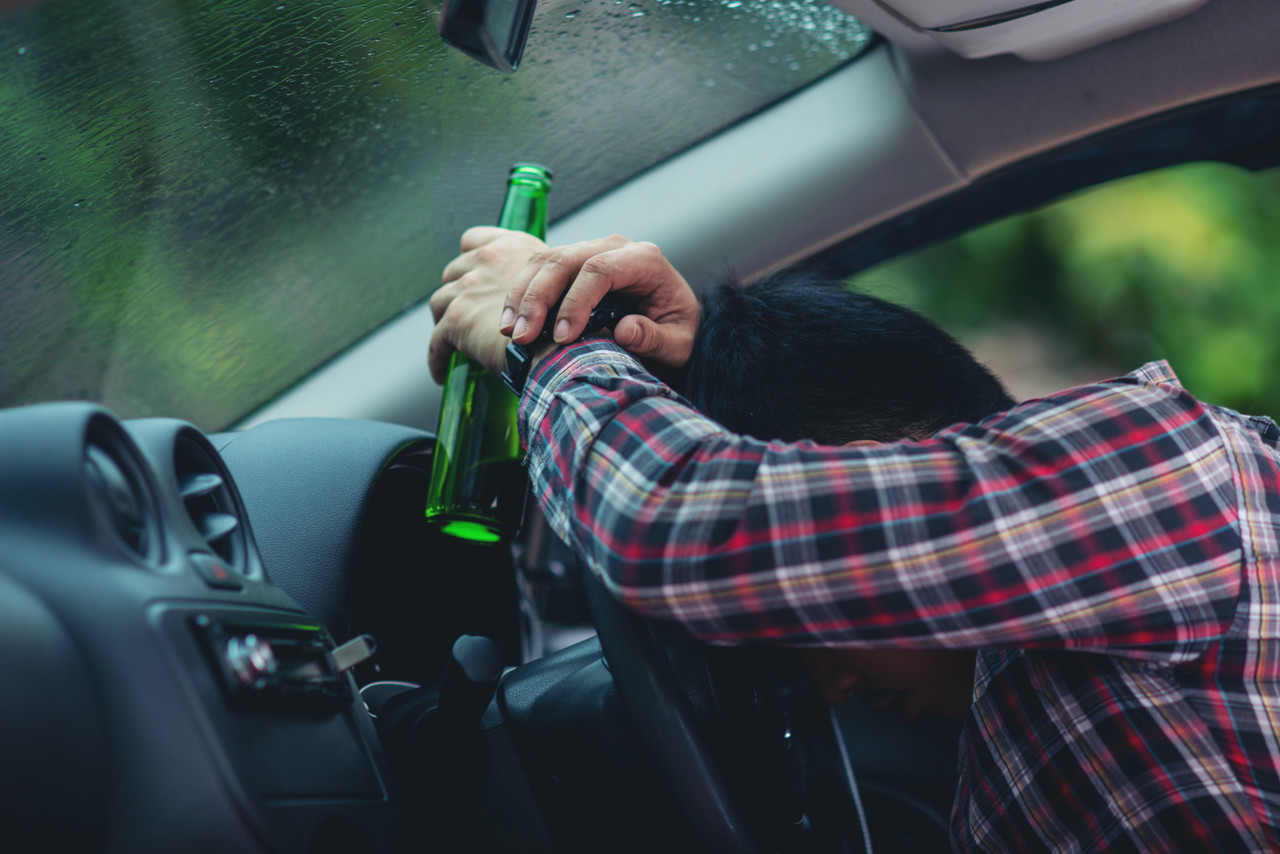
As the holiday season approaches, Yale Haymond Law PLLC is outlining when North Carolina law allows claims against bars following drunk-driving accidents. A key factor is the driver’s age, which helps determine the claims available to injured people seeking legal advice after a crash. The firm is explaining how statutory claims involving underage sales differ from common-law negligence claims.
The North Carolina Governor’s Highway Safety Program 2026 planning calendar lists December as National Drunk and Drug-Impaired Driving Prevention Month. It schedules the state’s holiday enforcement campaign from December 14, 2026, through January 3, 2027. The campaign focuses on enforcing impaired-driving laws, but a criminal case against a driver does not automatically provide compensation for people injured in a crash.
North Carolina’s Dram Shop Act, found in Article 1A of Chapter 18B of the General Statutes, creates a claim against a permit holder or local Alcoholic Beverage Control board. The claim applies only when the seller negligently sold or furnished alcohol to an underage person. The legal age to purchase alcohol in the state is 21.
The statute also requires that the alcohol contributed to the underage driver’s impairment and that negligent impaired driving proximately caused the injury. Because it addresses underage sales, the statutory claim does not reach a sale to a driver of legal drinking age. Anyone suing a bar after a drunk driving accident involving such a driver must rely on other legal theories.
To support a statutory claim, the plaintiff must prove the sale was negligent under the circumstances. A sale to an underage person without requesting identification is admissible as evidence of negligence. A seller may offer proof of good practices, such as employee training and inquiries about a customer’s age, to show it was not negligent.
G.S. 18B-123 caps damages under the Dram Shop Act at $500,000 per occurrence for all injured parties combined. Separate common-law negligence claims are not subject to this statutory cap.
The Dram Shop Act also makes the negligent driver or vehicle owner and the seller jointly and severally liable, with a right of contribution, under G.S. 18B-124. Statutory claims must be filed within one year under G.S. 1-54(7a), while negligence claims for personal injuries generally have a three-year deadline.
The Dram Shop Act does not limit claims available under the common law. Courts have allowed common-law negligence claims against on-premises sellers that served a customer the seller knew or should have known was intoxicated. In Hutchens v. Hankins, 63 N.C. App. 1 (1983), the Court of Appeals allowed a suit by motorists injured by an intoxicated tavern customer to proceed.
A negligence claim requires proof of duty, breach, proximate cause, and damages. In Estate of Mullis v. Monroe Oil Co., 349 N.C. 196 (1998), involving an underage driver, the North Carolina Supreme Court held that a sale alone, absent facts alerting the seller to foreseeable harm, did not create a duty. Foreseeability depends on the circumstances of each case.
The driver’s age alone does not establish a seller’s liability. Civil claims follow separate rules and deadlines, and a seller may be liable if the evidence establishes the required elements of negligence. This information is general and is not legal advice for any individual situation.
Yale Haymond Law PLLC, founded in 2020 by Yale Haymond, is based in Charlotte, North Carolina. Haymond worked as a public defender in South Carolina and with an insurance defense firm in Charlotte. He earned his law degree from Campbell Law School in 2016 and is licensed in North Carolina, South Carolina, and multiple federal courts.
###
For more information about Yale Haymond Law, contact the company here:
Yale Haymond Law
Yale Haymond
(704) 800-4357
Yale@YaleHaymondLaw.com
7401 Carmel Executive Park Dr Ste 115, Charlotte, NC 28226, United States